 darin
darin Buying your first home in Canada unlocks substantial financial benefits that can save you tens of thousands of dollars through government programs, tax breaks, and withdrawal privileges designed specifically for first-time buyers. The three primary advantages are the Home Buyers’ Plan, which lets you withdraw up to $60,000 from your RRSP tax-free, the First Home Savings Account offering $40,000 in tax-sheltered savings, and the Home Buyers’ Amount providing a $1,500 federal tax credit. These programs exist because the government recognizes that entering the housing market represents a significant financial hurdle, particularly for small business owners who may have limited cash flow due to reinvesting profits back into their operations.
Understanding how to combine these benefits properly can reduce your upfront costs and improve your long-term financial position. Many first-time buyers leave money on the table simply because they don’t know these programs exist or how to access them. The key is knowing which benefits you qualify for, how much you can actually claim, and the specific timing requirements that govern each program. For entrepreneurs and tradespeople managing business finances alongside personal goals, integrating these first-time buyer advantages into your broader financial strategy makes home ownership more accessible while preserving capital for your business operations.

The Home Buyers’ Plan: Borrow From Your RRSP Tax-Free
Who Qualifies for the Home Buyers’ Plan
The Canada Revenue Agency defines a first-time home buyer as someone who hasn’t occupied a home they or their spouse owned in the past four years. You don’t need to be a first-time buyer in life, just within that four-year window. This means if you sold a home more than four years ago, you can still access Home Buyers’ Plan benefits for first-time home buyers.
Since January 2020, divorced or separated individuals qualify even if they owned and lived in a home with their former spouse within the past four years. You must still meet the written agreement requirement confirming you’re buying the home for yourself and intend to occupy it as your principal residence within one year of purchase. Your RRSP contributions must have been in the account for at least 90 days before you withdraw, so plan accordingly if you’re topping up specifically to fund your purchase.
How Repayment Works
Your repayment obligation starts in the second year after you make your HBP withdrawal. If you borrowed in 2024, for example, your first payment would be due in 2026. The Canada Revenue Agency expects you to pay back within 15 years which means contributing 1/15th of the total borrowed amount to your RRSP each year.
You report these repayments on your tax return. The CRA tracks your balance and sends you an annual statement showing how much you still owe. If you repay more than the minimum in any year, you reduce your future obligations. If you repay less, or nothing, the shortfall gets added to your taxable income for that year, and you’ll owe tax on it.
Missing repayments has real consequences. That unreturned amount becomes income, pushing you into a higher tax bracket and costing you more at tax time. You also lose that RRSP contribution room permanently. For business owners managing variable income, setting up automatic contributions each year prevents costly surprises and keeps the benefit working in your favor.
First Home Savings Account: Save Up to $40,000 Tax-Free
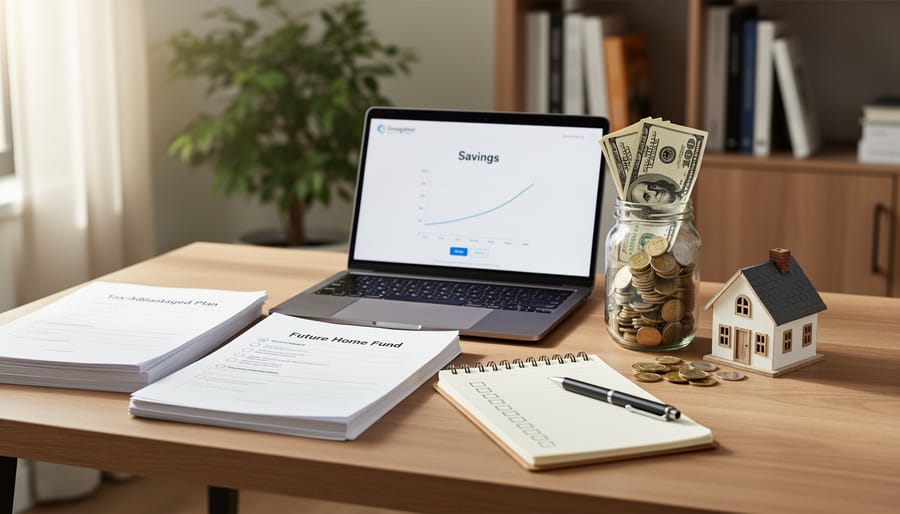
The First Home Savings Account (FHSA) gives you a powerful way to build a down payment while running your business. You can save up to FHSA $40,000 limit tax-free specifically for your first home purchase, with an annual contribution limit of $8,000. Unlike other savings vehicles, the FHSA combines the best features of RRSPs and TFSAs: you get a tax deduction when you contribute (like an RRSP), and you withdraw the money tax-free when you buy your home (like a TFSA).
For entrepreneurs and small business owners, this creates a strategic opportunity. You can deduct FHSA contributions from your income in years when your business generates strong profits, reducing your tax bill while building your home equity fund. The money grows tax-free inside the account, so any investment gains you earn stay in your pocket rather than going to the Canada Revenue Agency.
The FHSA differs from an RRSP in one critical way: you don’t have to repay the money you withdraw. When you use your FHSA funds to buy your first home, that money is yours to keep with no repayment obligations. This contrasts sharply with the Home Buyers’ Plan, where RRSP withdrawals must be repaid over 15 years. For business owners managing cash flow, eliminating that future repayment obligation means one less financial commitment to track.
You can hold various investments inside your FHSA, including stocks, bonds, mutual funds, and GICs. This flexibility lets you match your investment strategy to your timeline. If you’re planning to buy within two years, conservative options like GICs make sense. If you have a longer horizon, you might choose growth investments to maximize your savings potential.
The account must be opened before you turn 71, and you have up to 15 years to use the funds for a qualifying home purchase. If you don’t buy a home within that timeframe, you can transfer the funds to your RRSP or RRIF without immediate tax consequences, preserving the value for retirement instead.
The Home Buyers’ Amount Tax Credit
The Home Buyers’ Amount is a non-refundable tax credit designed to help first-time home buyers offset some of the costs that come with purchasing a qualifying home. This credit can reduce the amount of federal tax you owe, putting more money back in your pocket at a time when every dollar counts.
The credit applies to a portion of your home purchase price and is claimed through your personal tax return. It’s specifically intended for first-time buyers who haven’t lived in a home they or their spouse owned in the previous four years. If you qualify, you can claim this amount in the year you acquire the home, which helps offset closing costs, legal fees, and other expenses that pile up during the purchase process.
For small business owners juggling both personal and business finances, this credit offers a straightforward way to reduce your tax burden without complex planning. You don’t need to set aside funds in advance or navigate withdrawal rules. Instead, you simply claim the credit when you file your taxes for the year of purchase.
To claim the Home Buyers’ Amount, you’ll report the qualifying home purchase on your tax return using the appropriate lines and forms provided by the Canada Revenue Agency. Your accountant can handle this quickly as part of your regular tax filing, ensuring you don’t miss out on savings you’re entitled to.
The credit works alongside other benefits like the Home Buyers’ Plan and First Home Savings Account. When you combine these programs strategically, you create a comprehensive approach to reducing both upfront costs and long-term tax obligations. This integrated strategy is especially valuable when you’re managing business cash flow and personal finances simultaneously, allowing you to preserve working capital while still moving forward with homeownership.
Combining Benefits for Maximum Savings
The real power lies in stacking these benefits for first time home buyers rather than relying on just one. When you combine the Home Buyers’ Plan, First Home Savings Account, and Home Buyers’ Amount strategically, you can access significantly more capital and tax savings for your purchase.
| Benefit Program | Maximum Amount | Key Advantage |
|---|---|---|
| Home Buyers’ Plan (HBP) | $60,000 individual / $120,000 couple | Tax-free RRSP withdrawal with 15-year interest-free repayment |
| First Home Savings Account (FHSA) | $40,000 lifetime / $8,000 annual | Tax-deductible contributions and tax-free withdrawals |
| Home Buyers’ Amount | Up to $1,500 tax credit | Reduces tax owing in purchase year |
Start by opening an FHSA as early as possible, even if you’re not ready to buy immediately. Contributing $8,000 annually not only reduces your taxable income but builds your down payment fund. As a small business owner, this works particularly well in high-income years when you want to lower your tax burden.
Once you’ve built FHSA savings and are ready to purchase, tap your RRSP through the HBP. A couple running a business together could access $120,000 from their RRSPs plus up to $80,000 from two FHSAs, creating a $200,000 combined down payment without triggering immediate tax consequences. This matters when your business cash flow fluctuates and you need flexibility.
Claim the Home Buyers’ Amount on your tax return for the year you complete the purchase. That $1,500 credit offsets other costs like legal fees or moving expenses.
For entrepreneurs with variable income, this layered approach provides breathing room. You’re not forced to drain business reserves or take loans at unfavourable terms. Instead, you’re using programs designed specifically to help first-time buyers while maintaining your business liquidity. Time the RRSP withdrawal and FHSA contributions around your business cycle to minimize disruption to operations while maximizing your purchasing power.
What Documents and Planning You Need
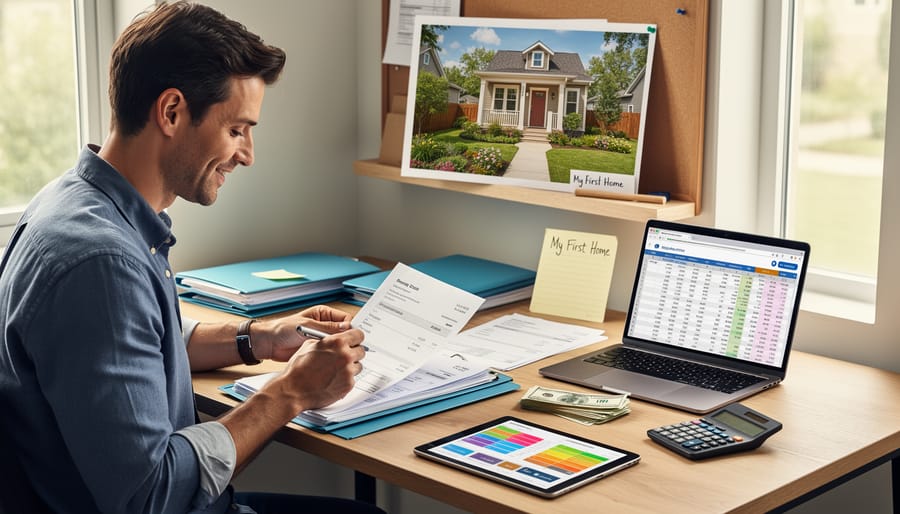
Accessing these benefits requires advance planning and proper documentation. Start by gathering your RRSP statements if you’re considering the Home Buyers’ Plan, along with contribution receipts for the past four years to confirm your first-time buyer status. For the FHSA, you’ll need proof of account opening and contribution records. Keep all purchase agreements, land transfer documents, and closing statements, as these are necessary to claim the Home Buyers’ Amount on your tax return.
Timeline matters. If you’re planning a spring purchase, open your FHSA by the previous summer to maximize contributions. RRSP withdrawals under the HBP must occur within specific windows related to your closing date, so coordinate those withdrawals carefully. Business owners should align home purchase timing with their year-end tax planning to optimize both personal and business deductions.
Working with a qualified accountant makes a significant difference. They can help you calculate optimal RRSP withdrawal amounts, time FHSA contributions for maximum tax benefit, and identify how the Home Buyers’ Amount interacts with other deductions like home office expenses if you run your business from your new property. Professional tax consulting ensures you don’t miss repayment deadlines or leave money on the table. A national network of advisors provides consistent support whether you’re buying in Toronto or rural Saskatchewan, giving you reliable guidance tailored to your specific situation.
Common Mistakes to Avoid
Missing HBP repayment deadlines costs you more than just time. If you fail to repay the minimum required amount in any given year, the Canada Revenue Agency adds that shortfall to your taxable income for that year. This turns what should have been an interest-free loan into unexpected taxable income that can push you into a higher tax bracket, especially if you’re already reporting business income.
Another common error is withdrawing from your RRSP for the HBP after you’ve already signed a purchase agreement. The withdrawal must happen before you acquire the property, and timing this incorrectly can disqualify you from the program entirely. Small business owners sometimes make this mistake when juggling multiple financial priorities and tight closing timelines.
Contributing to your FHSA too early or too late also creates problems. You can’t open an FHSA if you already owned a home in the current calendar year or any of the preceding four years. If you open one and later discover you weren’t eligible, you’ll face tax consequences on the contributions and any growth. Verify your eligibility with an accountant before opening the account, particularly if you’ve owned property through your business or held partial ownership in any real estate.
Don’t assume you automatically qualify for the Home Buyers’ Amount just because you bought your first home. You must actually acquire a qualifying home during the tax year and meet the occupancy requirements. Review our tax planning tips to ensure you’re claiming all eligible credits correctly and timing your home purchase to maximize your tax advantages.
The benefits for first-time home buyers available in Canada can dramatically reduce the financial pressure of purchasing your first property. Between the Home Buyers’ Plan’s $60,000 RRSP withdrawal option, the First Home Savings Account’s $40,000 tax-free contribution room, and the Home Buyers’ Amount tax credit, you’re looking at substantial savings that can make homeownership more accessible while you run your business.
The key is using these programs strategically and correctly. Missing a repayment deadline or misunderstanding eligibility requirements can cost you money and create unnecessary tax complications. That’s where professional guidance makes a difference.
Working with qualified financial advisors who understand both personal and business finances ensures you’re maximizing every available benefit. Our national network of professionals specializes in helping small business owners navigate these programs while keeping their business cash flow healthy and their personal financial goals on track.
Don’t leave money on the table. Take advantage of these first-time buyer benefits, plan carefully, and get the support you need to make your home purchase work alongside your business success.